Choosing between free and paid beats is a common puzzle for anyone making music, whether you’re a hobbyist, an independent artist, or even a small label. There’s a huge range of both options available online, with different licenses, audio quality, support, and costs attached to each. Knowing the pros and cons is super helpful if you want your next song to sound solid and avoid legal headaches down the road. I’ve faced this decision myself and want to break down everything you need to know, so you can make a smart choice for your music goals.
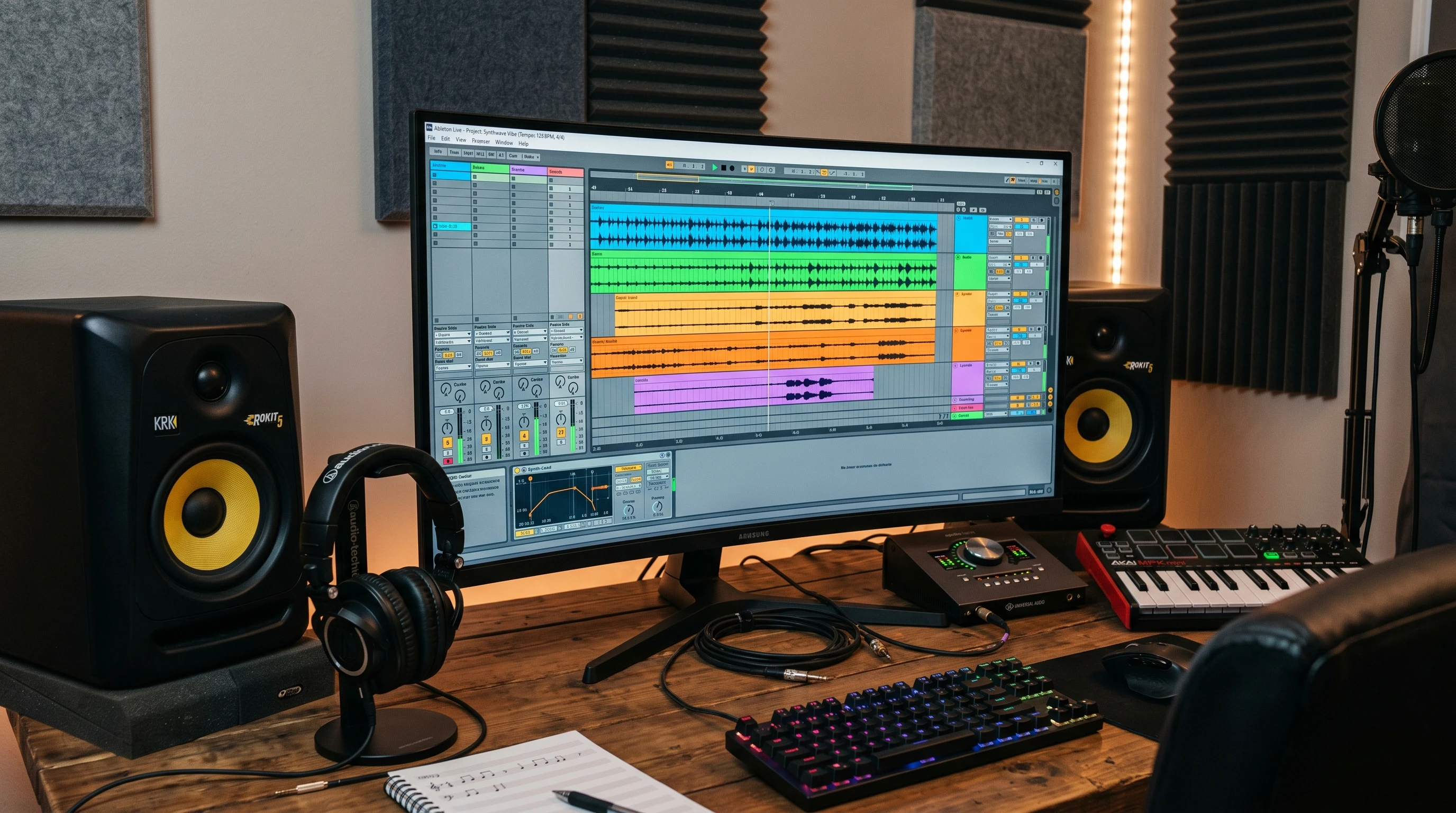
Free Vs Paid Beats: An Overview
When you start searching for beats, you’ll find a ton of free and paid selections on sites like YouTube, BeatStars, SoundCloud, and producer-run websites. Free beats tempt anyone on a budget or experimenting for fun, but paid beats usually come packed with better sound, clearer licensing, and give you more flexibility. Here’s a quick look at what each offers:
- Free Beats: Downloadable with no charge, often restricted. Usually require attribution, may lack in production quality, and often don’t allow commercial use.
- Paid Beats: Carry a cost but include a license that matches your plans. They come with higher quality files, sometimes stems, producer support, and extra legal security.
Benefits of Using Free Beats
I’ve put free beats to the test for early demos and new ideas, and there are real perks:
- No upfront cost: You can download and experiment freely, which is great for beginners or testing your sound before spending anything.
- Great for practice: Free beats let you experiment with different genres, practice your delivery, and finesse your songwriting.
- Widespread availability: Nearly every style or genre is covered, making it easy to match the mood you want.
If your goal is to jam in your bedroom studio or tinker without fussing about rights or sales, free beats are super convenient. Just remember, most have fine print, especially when it comes to uploading music or selling tracks.
Drawbacks of Using Free Beats
Despite their appeal, free beats come with definite drawbacks I’ve run into:
- Limited rights: Most free beats won’t let you use your music for profit. Even when they do, it might mean crediting the producer or sticking to certain rules.
- Quality can be hit-or-miss: Not every producer polishes their free beats, so the production might fall short of professional standards.
- Legal risks: Using a beat without reading the license can lead to copyright strikes or removal from platforms like YouTube or Spotify.
- Lack of originality: Because they’re accessible to everyone, you’ll hear the same beats across countless tracks, making it hard to stand out.
Several artists regret using a free beat only to have streaming services take their track down or demonetize it because of unclear licensing. For casual fun or building a social following, that’s not always a huge issue, but always read the terms before uploading anywhere.
What Paid Beats Offer
Investing in a paid beat brings several advantages if you’re serious about putting your music out there or monetizing it. Here’s why I often tell artists to level up with paid beats:
- Clear licensing: You can pick a license that fits your aims—such as streaming, selling, touring, or radio play. That means less stress about legal problems.
- Higher-quality audio: Producers typically deliver untagged MP3s, WAVs, or even stems, so you have full control in mixing and customizing your track.
- More originality: Paid beats, especially with exclusive rights, are used by fewer artists, so your song can really pop out.
- Producer support: Producers often answer questions, fix issues, or customize the arrangement for you.
Even reasonably priced paid beats can give your music a noticeable boost, especially if you hope to appear on playlists or online stores.
Potential Downsides Of Paid Beats
Paid beats aren’t always perfect. Here are a few things I’ve learned to keep in mind:
- Cost: Prices can range from affordable (like $20 leases) to much higher for exclusive rights—sometimes hundreds or thousands.
- License restrictions: Inexpensive licenses usually put limits on the number of streams or sales. If your song blows up, you may have to upgrade your license.
- Sorting through the details: Every producer’s terms differ. Taking your time and reading carefully helps avoid surprise limits later.
I once bought a basic license and later needed to upgrade because my song performed better than planned. Always double-check what you’re getting and keep copies of licenses or payment records.
Beat Licensing Explained
Understanding licenses is crucial if you don’t want unwanted surprises. Here’s a simple guide:
- Nonexclusive license: Multiple artists can use the same beat. Good for streaming and limited releases; budget-friendly.
- Exclusive license: The beat is yours alone to use after purchase. Ideal for big projects, but costs more.
- Custom license: Some producers will create a custom agreement if you reach out and explain your needs.
Whether you want a free or paid beat, always check what the license covers and what it lets you do. Ask about upgrades if your project grows beyond the usual restrictions.
How To Choose Between Free Or Paid?
The right path depends on your goals, how much you want to spend, and the control you want. Here’s how I approach the decision:
- Just for fun, learning, or social sharing: Free beats are fine, but always respect the rules for credit and noncommercial use.
- Ready to release a mixtape or album: Paid beats make sense—leasing is good for testing the waters, but exclusive is best if originality or growth is on your mind.
- If you want to make money or grow your reach: Go for paid beats with clear licenses. This keeps your releases safe and protects your earnings.
Thinking ahead—especially about your long-term plans—makes this decision much easier. If that beat is the soul of your song, having full rights and support gives peace of mind.
Common Issues & Tips
Through lots of trial and error, these tips have saved me headaches:
- Pick trustworthy sources: Whether buying or downloading, make sure the producer owns the rights to the beat.
- Keep records: Save a copy of every receipt, license, or screenshot. You might need them if a rights question pops up later.
- Always give credit: Producers work hard. Credit them as required and you avoid copyright troubles.
- Build relationships: Connecting with producers can unlock deals, bundles, or even exclusive tracks down the line.
Above all, don’t hesitate to ask questions. Producers online are usually glad to break down their licensing or customize something for you, especially if you’re straight up about your intentions.
Real-World Examples
- Plenty of YouTubers use free beats for intros or background tracks at first. As their channels gain traction, they switch to paid beats to dodge takedowns and set a unique audio brand.
- Artists I know have landed playlist spots using budget nonexclusive beats, then put their earnings toward exclusive tracks for albums.
- Many producers run special bundle deals—like “buy one, get one free” deals or discount packs—stretching your budget if you’re building an EP or mixtape.
Personally, investing in paid beats for bigger releases has made my music adventure smoother and way less stressful.
FAQ: Free Vs Paid Beats
Question: Can I upload songs with free beats on Spotify or Apple Music?
Answer: Most free beats are not cleared for commercial use without credit or other conditions. Always read each license before uploading.
Question: What if someone else also uses the same free beat?
Answer: Free and nonexclusive beats are shared by anyone, so overlapping tracks are standard. If you want a unique sound, explore paid exclusive licenses.
Question: If I purchase a beat, do I own it entirely?
Answer: Paying for a beat typically gives you a license—not full ownership. If you want exclusive copyright, you’ll usually need a special agreement.
Question: Are any free beats safe for commercial use?
Answer: Some producers release royalty-free beats for commercial projects with credit, but always review the license as conditions vary a lot.
Final Thoughts
Choosing between free and paid beats mostly comes down to your current position as an artist and how big you want your music to become. Free beats are excellent for learning, testing ideas, and quick social content, but carry more rules. Paid beats let you stand out, protect your music, and actually earn from your creative work. Taking time to look over each option’s rules—and holding onto your licenses—saves trouble down the road. No matter which route you pick for your next single or album, understanding the benefits and risks will set you up for music success. Wishing you good luck on your next track!