If you’re a rapper or songwriter looking to buy beats online, understanding beat licensing is really important. I’ve bought, sold, and licensed beats as both an artist and a producer, so I know that the whole process can feel a bit overwhelming at first. Sorting out which type of license you need, reading all the fine print, and knowing how everything works will help keep your music protected, your budget managed, and your goals in focus. I put together this article to help you break down the basics, steer through common pitfalls, and set yourself up for success the next time you’re hunting for the right beat.
What Is Beat Licensing and Why Does It Matter?
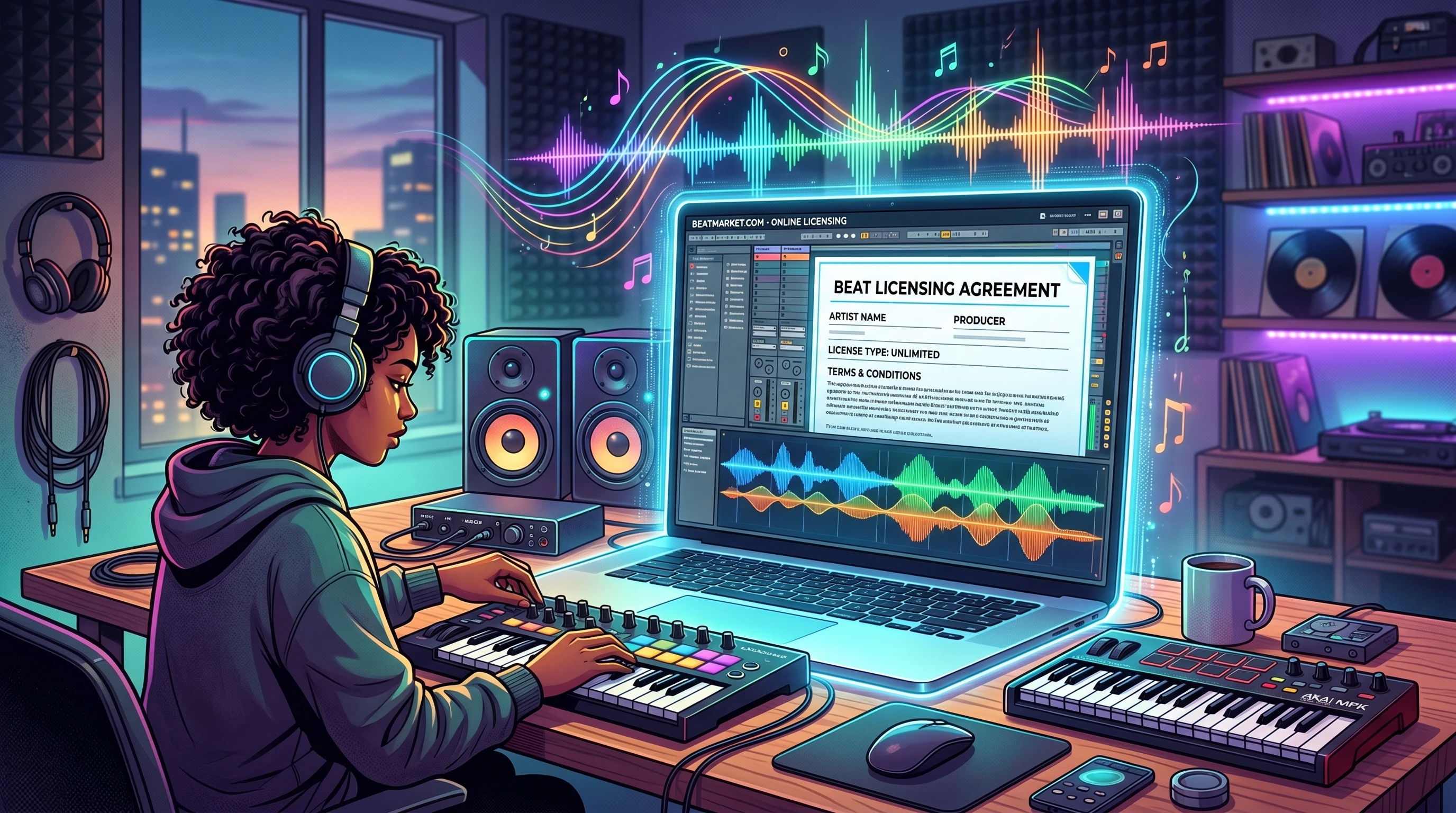
Beat licensing is an agreement between a beat seller (usually a producer) and a buyer (that’s you, the rapper or songwriter) about how a particular instrumental or beat can be used. When you license a beat, you’re not buying exclusive ownership of the beat unless the agreement clearly says so. Most licenses just grant you certain rights to use the beat in your own music under specific conditions listed in the paperwork or digital contract.
Making sense of beat licensing means knowing the difference between owning a beat outright and just having permission to use it in certain ways. If you skip the details, you could face legal issues later or find you can’t make money from your song as planned. It’s worth noting that not all platforms or producers use the same licensing templates, so understanding the specifics is key.
Types of Beat Licenses: Leasing vs. Exclusive Rights
Most producers offer two main kinds of licenses: lease (sometimes called nonexclusive) and exclusive. I’ll explain the differences and share when each makes the most sense:
- Leased (Nonexclusive) Licenses: This is the most common type I see for rappers shopping online. You pay a lower price and get limited usage rights. Other artists can buy the same beat too, so you’re sharing it. Lease agreements usually include restrictions on how many copies you can sell, how many streams you can get, what platforms you can distribute to, and whether you can use the beat for music videos, performances, or monetized streams. Leasing works well for mixtapes, demos, and independent releases with a smaller budget. You often have the flexibility to test new sounds without a huge investment, but you share that beat with others.
- Exclusive Licenses: If you buy an exclusive license, you have sole rights to use the beat as described in the contract. The producer can’t sell or lease the beat to anyone else after you purchase exclusivity. This is more expensive but useful if you want the beat to be unique to you, or you plan a major commercial release. Exclusivity ensures you’re not competing with other songs using the same instrumental, which can help if you’re building a distinct brand identity.
Some producers might offer custom deals or even work-for-hire agreements, usually at higher price points. It’s best to carefully check what rights and limitations are written out. Always read the fine print before finalizing any purchase.
Critical License Terms and What To Watch Out For
Beat license agreements often come with their own legal language. I always encourage artists to pay special attention to these key points before clicking “buy” on any beat marketplace or producer website:
- Distribution Limits: Some leases cap how many units/streams you can sell; for example, 2,000 copies or 50,000 streams. If a track blows up past these numbers, you need to renew or upgrade your license.
- Monetization Rights: In some cases, basic leases do not allow music monetization on YouTube or streaming platforms. Double-check the permissions and don’t skip over these clauses.
- Performance Rights: Not every license allows live performances. If you plan to play your song at shows, make sure this is covered in the agreement so you aren’t left limited when your track picks up steam.
- Music Video Rights: Always confirm that shooting and uploading a video with the beat is included. Some licenses restrict this, so be clear on what you can do.
- Publishing and Royalties: Most leases give the producer a share of publishing income. The split (usually 50/50 or something specific) should be stated in your agreement. Reading these clauses carefully keeps future earnings clear and fair.
- Track Stems and Audio Files: Some licenses just include an MP3, while others also provide WAV files or track stems (the individual layers of the beat). For serious mixing or radio-quality releases, you’ll want stems or high-quality WAVs to ensure top-notch results.
If you see any weird restrictions or vague language, check in with the producer for clarification. Never be afraid to ask questions before you buy. It’s far better to sort things out early than to deal with surprises later on.
Step-by-Step Guide: Purchasing Beats Online the Smart Way
- Research the Producer: Look up the producer’s catalog, social profiles, reviews, and any previous licensing issues. Trustworthy producers protect your rights and offer clear licensing options. Checking the producer’s production credits or their standing in music forums can give you more confidence.
- Pick the Licensing Tier: Decide if a basic lease, premium lease, or exclusive license fits your needs. Think about your current project, budget, and long-term goals. If you expect your track to get a lot of traction, starting with a higher tier can save hassles later.
- Read the License Agreement: Never skip the full agreement, even if it looks long or “standard.” Reading it yourself avoids nasty surprises later. Sometimes, these documents spell out unique details not mentioned on the product page.
- Confirm What You Get: Make sure you know what file types and extras are included, like stems, WAVs, or paperwork needed for distribution. Having access to the right files up front ensures you won’t need to chase the producer for upgrades.
- Keep Records: Store digital receipts, contracts, and correspondence in a folder. If there’s ever a dispute, you’ll have proof. Consider backing up your documents in cloud storage, so they’re always available.
Following these steps has saved me from mistakes that could’ve cost time and money. Slow down, check the facts, and you’ll thank yourself later. Taking a thoughtful approach builds better relationships with producers as well.
Common Pitfalls Rappers Run Into With Beat Licensing
- Ignoring the Restrictions: Sometimes artists just grab a beat and start recording. Later, they try to drop the song on Spotify or shoot a video, only to find out their license didn’t cover that use. This is a common problem that can be avoided with attention to detail.
- Assuming All Licenses Are the Same: License terms can vary a lot, even for similar leases from different producers. Don’t assume a “standard” lease has the same rules everywhere. Understanding each producer’s unique terms saves confusion.
- Forgetting About Publishing Splits: Not listing the producer properly or misunderstanding royalty splits can cause issues if your track takes off. Get this clear before you release anything and always double-check the splits.
- Thinking Leases Last Forever: Many leases expire after a time period (two to five years is common) or after hitting usage limits. Don’t let your track fall out of compliance down the line because you forgot to check the expiration date.
I’ve seen artists have to pull songs down from platforms when they didn’t meet the terms. Being detail-oriented here avoids those headaches and keeps your content available everywhere you want.
What Quality of Beat Should You Choose?
The quality of the beat you license matters for your final product. High-quality WAVs or stems give your mix engineer more to work with, resulting in cleaner and more professional-sounding tracks. If you’re aiming to pitch your music to playlists, radio, or bigger labels, the quality of the files and the terms of your license make a real difference in your outcome. Always aim for the highest audio quality that fits your budget—investing here can pay off with better-sounding releases.
Sample Clearance and Copyright Issues
Sometimes a beat will include samples from other songs. Many leases say the buyer (that’s you) is responsible for clearing those samples before commercial release. If you don’t, you risk takedowns or even lawsuits. If you’re unsure about a sampled beat, ask the producer directly about the source and clearance status. For independent artists, sticking to sample-free beats can save hassle down the road. If you do choose a beat with samples, be proactive in tracking down permissions or clearing the sample with the original rights holders.
Case Examples: How Licensing Affects Real-World Results
- Mixtape Success Story: I once licensed a catchy beat on a cheap lease just to test out a song idea for a free mixtape. The lease capped distribution at 5,000 copies, but for my needs at the time, that was enough. It let me build hype, and when fans wanted it on streaming platforms, I reached out to upgrade the license. This stepwise approach allowed me to keep my expenses low while still expanding my reach later.
- Major Release Trouble: A friend of mine put his track on Spotify using a leased beat but didn’t read the fine print. The song went past the streaming cap, and he got a takedown notice. Always check your agreement to avoid this, as fixing such issues later can be more complicated than making sure you’re covered from the start.
Real examples like these show the benefits of being prepared and thorough. They also highlight how easy it can be to smooth the way for your release when you understand your rights and responsibilities.
Frequently Asked Questions About Beat Licensing
Question: Can I trademark my track name if I’m only leasing the beat?
Answer: Leasing a beat lets you use it, but it doesn’t give you full intellectual property rights. You can trademark your own lyrics and artist name if you qualify, but not the beat itself unless you own the exclusive rights.
Question: What happens if two rappers license the same beat?
Answer: If both bought nonexclusive leases, both can use the beat and release their songs. The producer collects license fees from each. Whoever gets an exclusive license first can stop new leases in the future, but not retroactively.
Question: Do I have to credit the producer?
Answer: Yes. Most licenses require “Prod. by [Producer Name]” in the title, description, or credits. It’s common courtesy and helps the producer grow their brand too. Giving credit where it’s due is both a legal and an ethical move throughout the music business.
Final Thoughts for Rappers Shopping for Beats
Paying close attention to licensing terms has made all the difference in my projects. If you plan to drop music for a wider audience, commercialize your track, shoot videos, or play shows, make sure your license covers all those uses. Carefully reading every agreement, asking questions if something isn’t clear, and keeping good records will keep you protected and confident every time you buy a new beat online. Doing a bit more homework up front can save you a lot of stress and money down the line, letting you stay focused on your craft instead of facing unexpected surprises. Always check the details, ask when in doubt, and you’ll be set to make moves with your music career.