Finding your beat style if you’re into music production or beat making is a pretty personal adventure. Your style isn’t something that just pops up overnight. It’s shaped by your influences, the gear you use, and the stuff you’re naturally drawn to. Figuring out what really feels like “you” can make your music stand out and keep you motivated to keep creating, so I’ve pulled together the main things that helped me figure out my own beat style. Here’s what to look out for if you’re on your own path.
What Does Beat Style Actually Mean?
Your beat style sums up the unique way you put music together, from the types of sounds and samples you use, to how you structure your tracks and what genres you blend. Some beatmakers focus on heavy drums and dirty bass, while others keep things spacey and chill. You’ll probably spot your own style by the way your beats feel, sound, or groove. For example, you might always reach for certain types of snares, keep your rhythms off-kilter, or use melodic samples in creative ways.
Even if you’re not sure what your sound is right now, that’s totally normal. Style grows as you listen to more music, try new techniques, and start noticing what makes you nod your head the most.
Early Steps: Build Your Music Influences
Behind any strong beat style is a bunch of musical influences—a mix of what you grew up hearing, what you listen to now, and what grabs your attention online. Tapping into a variety of genres will help you figure out what feels good to you (and what doesn’t). Try these ideas to get started:
- Listen Outside Your Usual Loop: Check out genres you don’t normally vibe with. Whether it’s lo-fi hip-hop, classic funk, trap, synthwave, or something like bossa nova, different rhythms or melodies might flip a switch in your brain.
- Study Your Favorite Producers: Dig into tracks by producers you admire. Try listening closely to how they use drums, what their melodies sound like, or how they structure a song.
- Sample Hunt: Go digging for new sounds, like vinyl, YouTube clips, old cassettes, or sample packs. Sometimes a single weird sound can set off a whole new direction.
Taking notes of what grabs you about certain tracks can help a lot. I keep playlists of beats with certain moods, drum grooves, synths, or cool transitions for quick inspiration. Also, don’t be afraid to ask around for song suggestions—sometimes, friends can introduce you to eye-catching artists you might not stumble upon by yourself. The more influences you pick up, the more you can add to your own sound bank.
Essential Gear for Exploring Your Beat Style
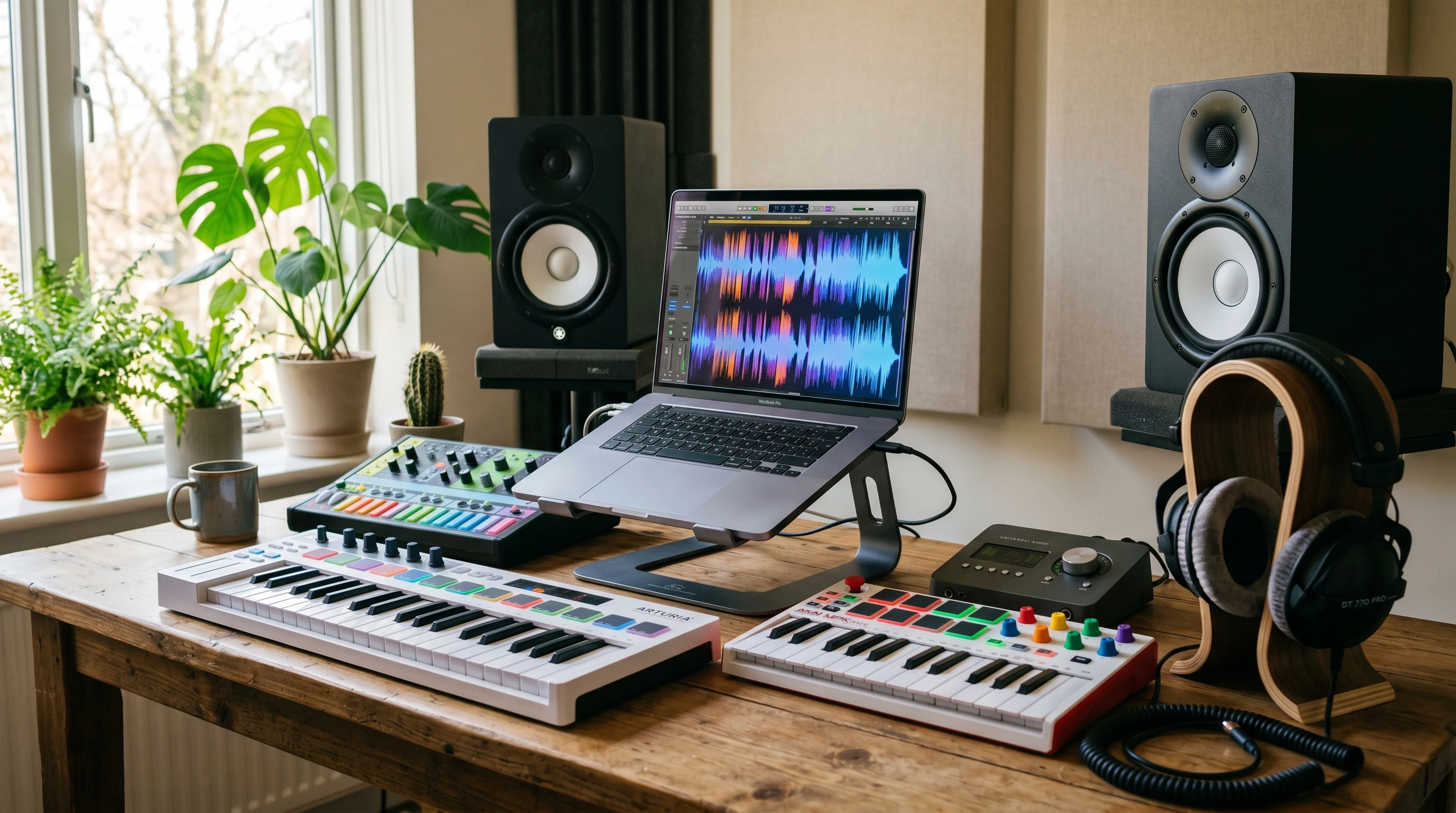
You don’t need a pro studio to start finding your sound. But having some basic gear can help you experiment and make the process more fun:
- DAW (Digital Audio Workstation): This is your home base. Whether it’s FL Studio, Ableton Live, Logic Pro, or something else, get comfortable with the one you like. All have free trials, so it’s worth checking a few out.
- MIDI Controller: A small pad or keyboard makes it easier to play around with ideas than clicking everything with a mouse.
- Headphones or Monitors: Good headphones let you hear your sound clearly, even if you’re making beats late at night in a dorm room or bedroom.
- Audio Interface: This helps record samples, vocals, or live instruments directly into your DAW if you want to blend in real-world sounds.
Don’t stress if you can’t get everything right away. I started out just using free software and some old headphones. The important part is having a way to lay down ideas quickly as you experiment. If you ever have questions about what gear suits your needs best, ask in music production forums or check in with local producers—you’ll get real-world opinions that can save you money and headaches.
How to Experiment and Find Your Beatmaking Workflow
The fun part about developing your style is trying out lots of things and seeing what feels the best. Here are some steps that worked for me:
- Copy Your Heroes, Then Flip It: Try recreating a beat you love. Don’t worry about putting it out. It’s just practice. Once you can match the groove, mess with the drums, add new melodies, or replace the sample to make it your own.
- Switch Up Drum Patterns: Instead of sticking to the same old kick-snare combo, shuffle things around. Try making the snare late, add swings, or layer weird percussion on top. These little tweaks can spark a whole new energy.
- Record Random Sounds: Grab your phone and record things around the house—keys jingling, a microwave beep, your friends talking. Chop them up and use them as percussion or background textures. These sounds help set your beats apart.
- Blend Genres: Mix elements from different styles, like trap drums with jazz samples, electronic synths over boombap grooves, or soft pads under hard-hitting basslines. Genre blending is a huge way to track down what feels like your lane.
After trying these, pay attention to what parts you like. Maybe you always end up liking beats with mellow synths and busy hi-hats, or maybe you lean toward minimalist setups with a lot of negative space. It’s all about picking up on your own patterns, keeping an eye out for what you repeat, and making it your own.
Things to Consider Before Settling on a Beat Style
Before you get too attached to one style, keep a few things in mind. Your beat style will probably switch up a lot over time, and that’s totally fine. Here are some things to keep in mind as you grow:
- Keep Experimenting: Even after you find a groove that works, keep trying new tools, plugins, or samples. The second you get too comfortable, things can feel stale.
- Feedback Helps: Show your beats to other producers, friends, or even strangers online. Honest feedback can shine a light on your strong points and help you smooth out the rough edges.
- Market Trends Change: If you want to sell beats or build a brand, it’s worth keeping an ear on what’s hot right now. But don’t just copy trends blindly; use them as jumping-off points.
- Your Mood Affects Your Beats: Some days you’re in the mood for dark, aggressive sounds. Other times everything feels bright and spacey. That’s all part of developing a multifaceted style.
Experimenting with New Plugins and Sounds
One hack I use is trying out new plugins, effects, or sample libraries every couple of months. Whether it’s a crunchy distortion pedal plugin or a new drum pack, changing up your tools shakes up your workflow. There are loads of free plugins out there, so money isn’t a barrier for trying something new. Dig into forums or YouTube channels for the latest free plugin roundups, and you’ll stumble upon gems without spending a dime.
Sharing Your Beats and Embracing Collaboration
Teaming up with other producers is a super useful way to stretch your style. You might pick up arranging tricks or sound design tips you’d never find in solo sessions. At the same time, giving honest input on someone else’s beat helps you recognize what works in your own tracks. Collaboration can also broaden your network and introduce you to new genres, helping your style mix in some variety and keep things fresh.
Take Up a Notch: Advanced Tips for Developing a Unique Beat Style
Once you’ve spent time experimenting, it’s time to get a little deeper into what makes your beats recognizable and memorable. Here’s what’s been really important for me:
Signature Drum Sounds: Try building a drum kit from scratch, layering your favorite kicks, snares, and hats. Reusing your own kit on different tracks helps tie your sound together and makes it easier for listeners to pick up on your style.
Consistent Arrangement Tricks: Maybe you always drop everything out before the hook, add creative transitions, or use the same kind of vocal tags. These are little touches that regular listeners will notice. Over time, these habits give your tracks a personal stamp.
Sound Selection: Over time, you’ll notice the kinds of synths, guitar textures, or samples that make your ears perk up. Start curating your own collection and revisit those sounds often. This way, your beats will have that vibe people recognize without you even trying.
Make Time for “Just for Fun” Beats: Some of my favorite tracks started as goofy experiments, no expectation, no pressure. Let yourself play around and don’t worry about chasing perfection. The freedom in just playing can lead you to stumble upon your next eye-catching beat idea.
Real Examples: Beat Styles Across Genres
Spotting beat styles gets easier when you have context. Here are a few examples of recognizable beat styles:
- Trap Beats: Fast hi-hats, booming 808s, and dark, catchy melodies. Producers like Metro Boomin or 808 Mafia have their own signature twists on this formula.
- Lofi HipHop: Chill, swung drums, dusty samples, and mellow keys or jazzy chords. Nujabes and J Dilla made this vibe famous, and there are loads of producers carving their own versions on YouTube.
- Electronic/EDM: Layered synths, big buildups, punchy kicks, and ever-changing textures. Producers like Flume or Porter Robinson put their unique stamp on this world with creative sound design.
Paying attention to these classic formulas can give you a foundation to build your signature sound. As genres continue to grow fast, being aware of new trends can also shape your creations, making your beats stand out in the crowd.
Frequently Asked Questions
Here are some common things I get asked about finding your beat style:
What if my beats all sound different?
This is totally normal. Over time, you’ll start noticing little threads that connect your tracks. The more you create, the more those details will stand out, and you’ll spot your unique sound.
How long does it take to develop a style?
There’s no real timer on this. Some people find a groove in a few months; others change it up every year. Staying curious and making lots of music is the fastest way to figure it out. Let your style evolve naturally—there’s no rush.
Is it bad to mix genres?
Not at all. Mixing genres is actually a great way to stumble onto fresh ideas. Some of the biggest producers built their whole identity by blending unexpected influences, and you can do the same.
Start Exploring Your Beat Style
Finding your beat style is an adventure that keeps changing as you make more music and try new things. Listen widely, experiment with different gear and techniques, and don’t stress if things take time to click. The ride is as interesting as the end result. Jump into your next session with curiosity—I’m sure you’ll track down new sounds you vibe with. Keep making beats, and enjoy discovering your musical identity along the way!