If you’re serious about making music that stands out, a beat that really fits your vision can make all the difference. Even the best lyrics can’t shine if the instrumental doesn’t support the vibe you have in mind. I’ve seen a lot of artists run into roadblocks just because they couldn’t clearly get their ideas across to their beatmakers. I want to show you how working with the right producer and being able to communicate your vision can completely level up your tracks. If you’re looking to buy a beat that actually brings your ideas to life, this is where you should start.
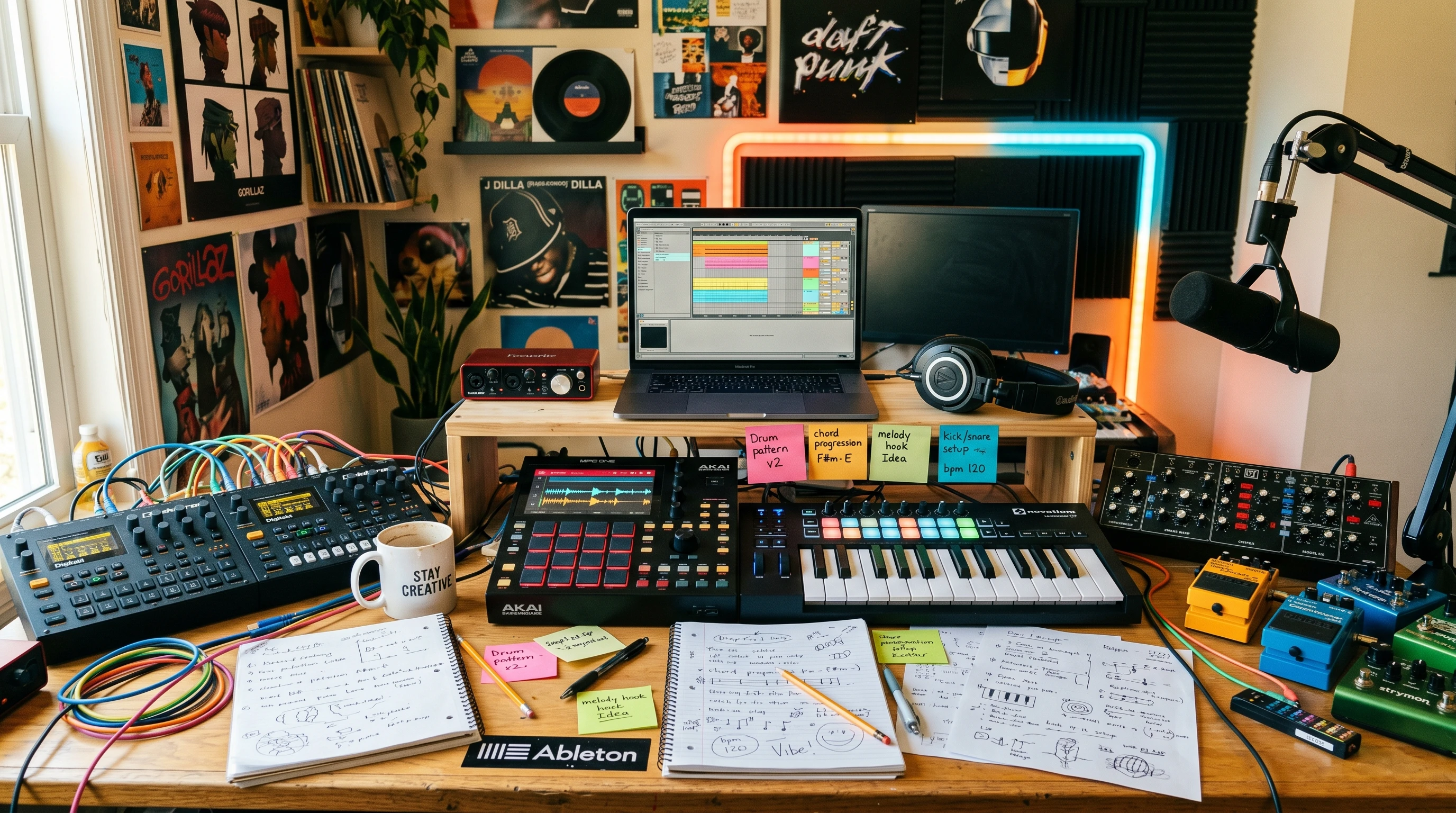
Why Communicating Your Vision Matters When Purchasing Beats
Getting the vibe and sound you want isn’t just about picking a random beat online. When you’re working with a beatmaker, laying out your thoughts clearly is super important for a few reasons. First off, it helps avoid misunderstandings that can lead to wasted time and money. Being clear about your vision also gives the producer something solid to work with, which inspires better creative results. If you have a certain mood, tempo, genre twist, or story in your head, sharing that right upfront helps the beatmaker lock in on what you really need. The clearer you are, the less back-and-forth there is. This saves you a lot of hassle, and gets your song done way faster.
Buying from me comes with the benefit of direct, personalized feedback at every step. I’m committed to making sure the beat truly fits your song, and I’ll work with you until it’s just how you want it. Your finished track will sound polished, professional, and exactly like you imagined. This personal touch can give your music the edge to really pop in a crowded field.
Building a Strong Foundation: Preparing Your Ideas
Before you hit up a beatmaker, spending a little time organizing your thoughts will pay off big. Start by figuring out what you want your track to say. Are you aiming for an energetic anthem, a chill vibe, or an emotional story? Think about the feelings you want listeners to get. Grab a notebook or your phone and jot down a few lines describing the mood, main message, or even specific reference songs. Don’t be afraid to toss in visuals, sketches, or mood boards to help sketch out your vision—sometimes a picture can make the whole direction clear.
If you’re not sure where to start, here are a few things to consider:
- Genre and Influences: Mention artists, albums, or tracks that inspired you. If you love the bounce of a Travis Scott beat or the groove from 90s boombap, saying so guides the direction.
- Tempo and Energy: Is your song slow and moody or upbeat and danceable? Mention a BPM range if you have one in mind.
- Instrumentation: Any sounds you want more of? Maybe you’re feeling piano-centered beats, or you want retro synths. List out what stands out to you in other tracks you like.
- Vocal Style: Will your flow be melodic, aggressive, or conversational? Share how you plan to approach the vocals.
- Lyrical Content: Are there themes or phrases you want the beat to match?
Thinking ahead helps your producer get on the same wavelength and opens the door to more creative options tailored to your needs.
Effective Ways to Communicate with Beatmakers
I always appreciate artists who come with clear ideas and examples. When you’re ready to reach out to a beatmaker (like me), there are a few super useful tools and approaches you can use to make your vision crystal clear:
- Reference Tracks: Sharing a few songs that match the mood or style you want is probably the single most effective way to get everyone on the same page. Even if they’re not exact, they give lots of context.
- Voice Memos & Demos: You can record yourself humming, beatboxing, or rapping a rough version of your hook or verse. No need for perfection; just a quick memo goes a long way.
- Descriptive Language: Words like “dreamy,” “hard-hitting,” “gritty,” or “melancholic” help paint a picture of the vibe you want.
- Visual Inspiration: Sometimes, sharing artwork, photos, or even movie scenes that match the mood in your head can get ideas across in ways words can’t.
- Collaborative Playlists: Put together a short playlist of inspiring tracks. This helps me hear the range of sounds you connect with and can serve as a reference throughout the process.
You can also send in mood boards or written mood descriptions. Sometimes a collection of images or even a color palette can give extra clarity to a producer on the vibe you’re after. Communication is about more than words—don’t be afraid to mix in different types of inspiration.
Common Challenges and How to Avoid Them
Misunderstandings happen all the time between artists and producers, but most of them are easy to avoid with the right prep. Here are a few common issues and how to sidestep them:
- Unclear Expectations: If you leave things too open or vague, the result might not match your style. The more detail you give, the more likely you’ll love the outcome.
- Overwhelming Requests: Asking for too many genres or moods mashed together (for example, “Make it dark but also super bright and happy”) can make things confusing even for an experienced producer. Try to narrow your scope.
- Lack of Feedback: If you don’t give feedback during the process, you may end up with a beat that doesn’t hit like you wanted. Stay involved and share your thoughts, even if it’s just a quick “I love this part, but can you switch up the drums?”
- Ignoring the Producer’s Strengths: Each beatmaker has their own magic. Checking out their existing work helps you see if their style fits your taste, and your project runs way smoother as a result.
My process is super collaborative, so I always check in to make sure we’re aligned every step of the way, making tweaks so the beat fits your project perfectly. Open communication is the secret sauce to creating something really original and impactful.
My Beatmaking Process: How I Turn Vision Into Reality
I use a step-by-step approach to make sure you always feel involved and confident in the outcome:
- Consultation: I start by listening to your reference songs, talking through your notes, and asking questions if anything’s unclear.
- Initial Concept: I lay down a rough draft and send you a snippet so you can hear the direction. This phase is great for early feedback.
- Revisions: Based on your comments, I tweak sounds, adjust structure, and change instrumentation until you’re happy.
- Finalization: Once everything feels right, I mix and master the beat for a radio-ready finish. I’ll provide you with all the files you need, from MP3s to tracked-out stems.
This process gives you the flexibility to guide things where you want, keeping you in the loop at all times. Working with me, you’re part of the adventure, not just a bystander. You also get to experience the creative flow, witness how a small idea can become a full track, and be hands-on in crafting your own sound.
Helpful Tips for Artists Buying Beats
Here are some things I’ve learned from years of making custom beats for artists:
- Do your research: Check my previous work, listen to sample packs, and get a vibe for my strengths. You’ll feel more confident you’re shopping in the right place.
- Set a budget and timeline: Let me know what you’re expecting to spend and if you’re working with any deadlines. It helps prioritize your project and gives me a clear window for delivery.
- Be open to surprises: Sometimes the best ideas come from happy accidents or producer suggestions you hadn’t thought of before. Stay open to little tweaks if they work for the song. Keep an ear out for unusual sounds or rhythms—a fresh take can set your track apart!
- Know your rights: Be clear on usage rights and agreements. I make licensing straightforward and will always walk you through what you’re getting.
A little planning on your end and a committed producer on mine creates the smoothest, fastest path from idea to finished track ready for release. Ask questions—don’t hesitate to clarify anything, from pricing to delivery format. The more you know, the better the experience will be.
Frequently Asked Questions
Here are a few things artists usually ask about communicating their vision and buying beats from me:
Question: What’s the first thing I should send you?
Answer: Reference tracks are awesome, but even a quick note about the genre and mood you’re thinking of is a great place to start.
Question: How do you know if you understand my vision?
Answer: I record notes and sometimes repeat your main ideas back to you to confirm. I also send rough versions early on so you can make adjustments and check if it’s on track.
Question: Can we work on the beat together in real time?
Answer: I offer collaborative sessions by audio or video chat so we can tweak things on the fly. This is especially helpful for getting the details right.
Question: What if I want changes after hearing the first version?
Answer: No problem! Revisions are part of the process. Just let me know what’s working for you and what isn’t, and we’ll adjust it so you get exactly what you want.
Ready to Bring Your Song to Life?
Having a clear vision for your music is really important, and communicating that to your beatmaker ensures your project doesn’t get lost in translation. Working with me, you can expect a collaborative, all-in-one process that puts your sound first. From start to finish, my goal is to capture your idea in a polished, professional beat, so you can focus on making your best music. If you’re ready to get started and make your next song pop, you know where to find me.